The Twilight Saga, created by Stephenie Meyer, captivated audiences worldwide, leading to the adaptation of its final installment, “Breaking Dawn,” into two films. The second part of this adaptation, “Breaking Dawn – Part 2,” was released in 2012 and concluded the saga with a dramatic finale. However, as with many book-to-film adaptations, there are notable differences between the original novel and its cinematic counterpart. This article delves into those differences, exploring how they impact the narrative, character development, and overall themes.
The Essence of the Story: A Brief Overview
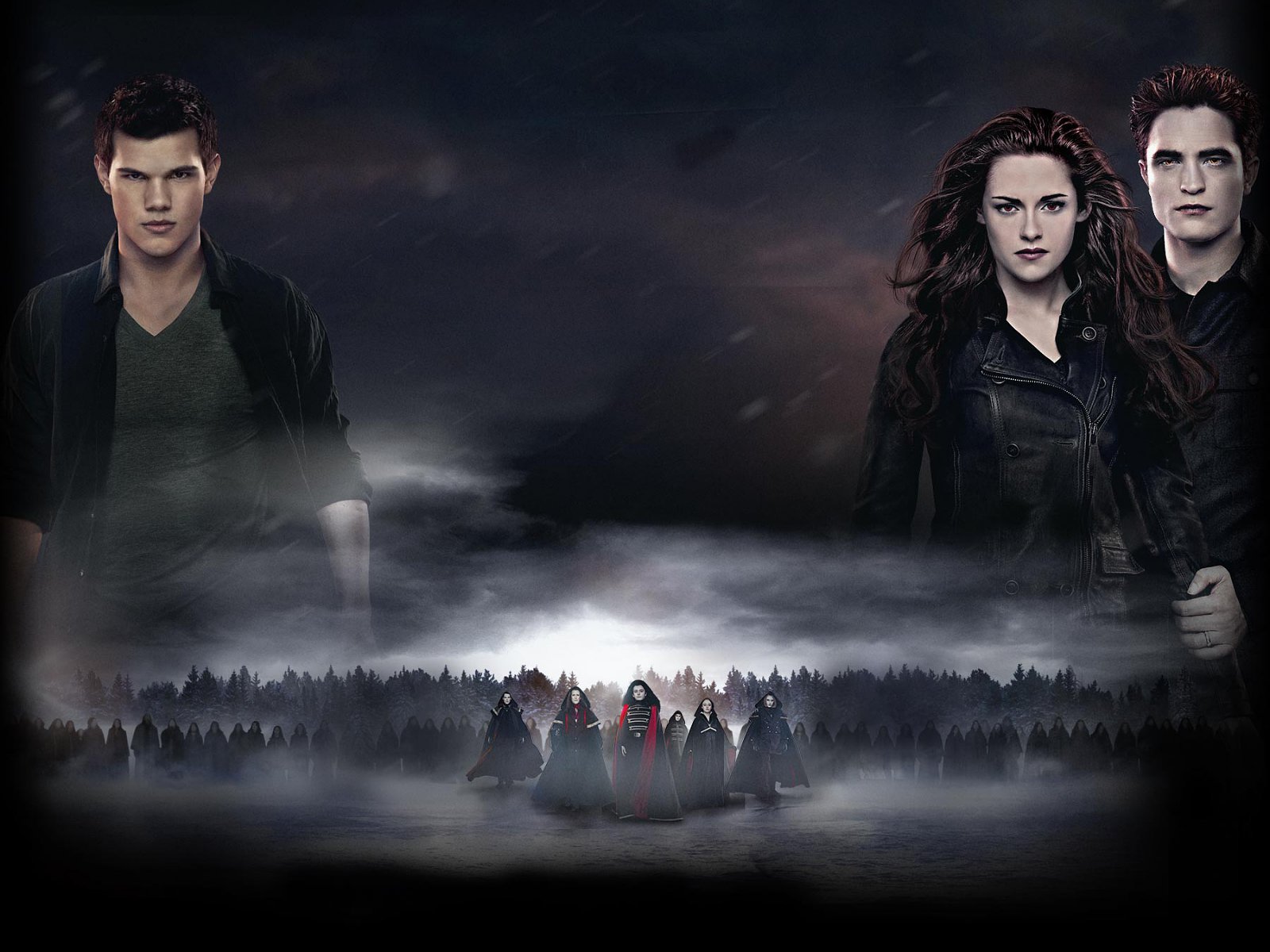
Before diving into the differences, it is essential to understand the premise of “Breaking Dawn.” The book, published in 2008, follows the aftermath of Bella Swan’s transformation into a vampire and her new life with Edward Cullen. The climax revolves around the Volturi’s threat to the Cullen family due to the existence of Renesmee, Bella and Edward’s half-human, half-vampire daughter. The film adaptation, while staying true to the core story, takes creative liberties that alter certain plot points and character arcs.
Key Differences Between the Book and Film
Analyzing the differences between “Breaking Dawn – Part 2” in both formats reveals various alterations made for cinematic appeal. Here are some of the most significant discrepancies:
- The Ending Showdown: In the book, the confrontation with the Volturi is a tense negotiation, with little actual violence. Conversely, the film amplifies the tension with a dramatic battle sequence, showcasing various characters’ powers and ultimately leading to a tragic conclusion that is entirely fabricated for the screen.
- Character Development: Several characters receive more depth in the book, particularly the Volturi members. The film reduces their complexity, focusing more on their menacing presence rather than their motivations. For instance, Jane, portrayed by Dakota Fanning, has a backstory in the book that adds layers to her character, which the film glosses over.
- Renesmee’s Growth: In the book, Renesmee’s growth is gradual, explained through Bella’s and Jacob’s perspectives. The film chooses to fast-forward some of her development, showcasing her as a fully formed child much earlier, which alters the emotional weight of her character’s evolution.
- Emotional Tone: The emotional journey in the book is rich with internal monologues and reflections, particularly from Bella. The film, while visually stunning, often sacrifices these introspective moments for action, leading to a different emotional tone.
- The Role of Jacob: Jacob’s character arc in the book is significant, especially concerning his imprinting on Renesmee. While the film addresses this, it does so with less nuance, which some fans feel diminishes the complexity of their relationship.
Visual Storytelling: The Impact of Cinematic Techniques

The transition from page to screen involves various cinematic techniques that can enhance or detract from the story. In “Breaking Dawn – Part 2,” the filmmakers employed several methods that contribute to the film’s overall impact:
- Cinematography: The film utilizes stunning visuals, with sweeping shots of the Cullen home and the surrounding landscapes, creating an epic atmosphere that the book only hints at through descriptive text.
- Special Effects: The use of special effects, particularly during the battle scenes, adds a layer of excitement and visual engagement that is impossible to convey through text. This includes the portrayal of various vampire powers, which are brought to life with impressive CGI.
- Soundtrack: The musical score and soundtrack play a significant role in setting the tone for emotional scenes. The film’s soundtrack includes contemporary artists, which resonates with a younger audience, whereas the book relies solely on the reader’s interpretation of mood through prose.
Thematic Elements: What Gets Lost in Translation
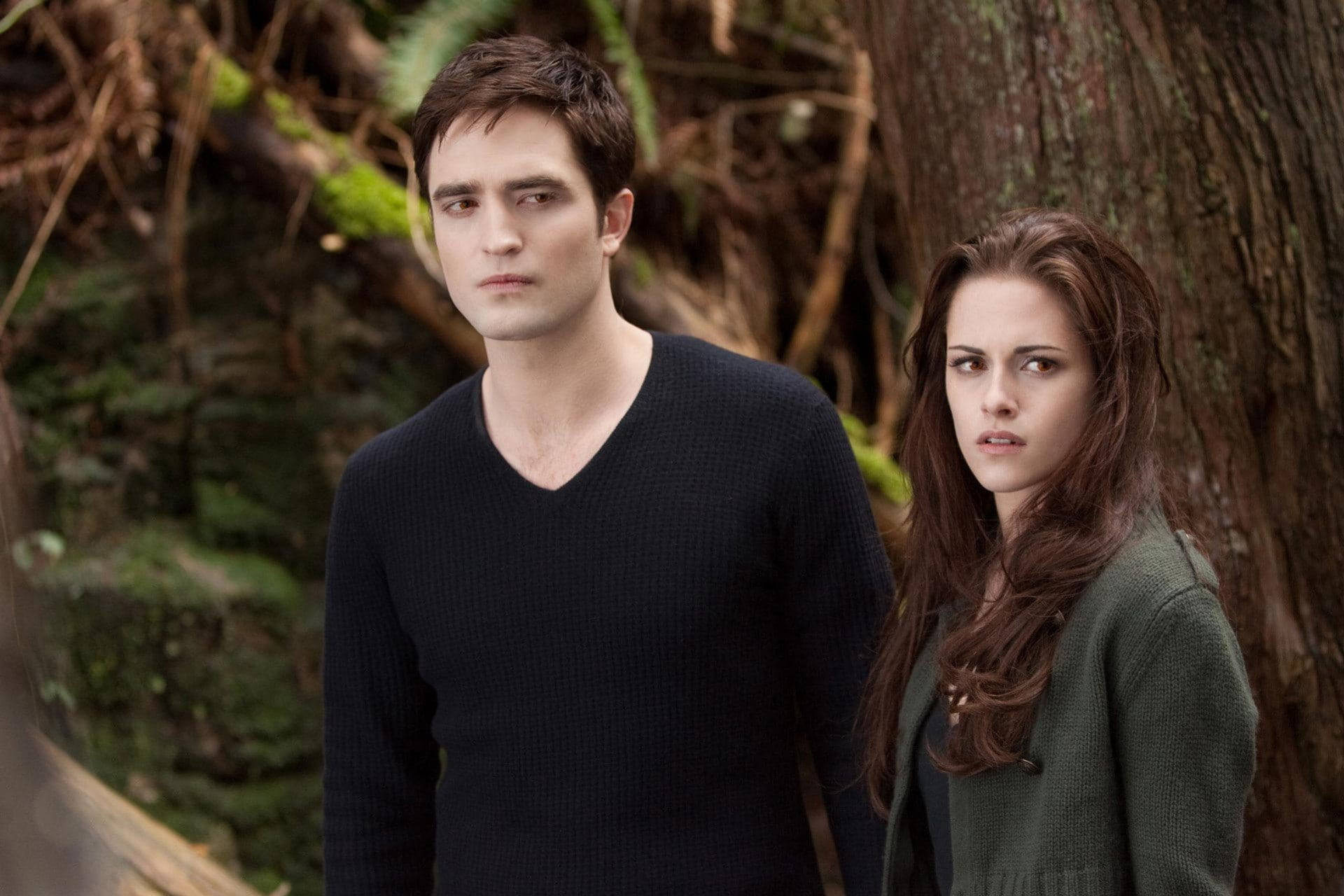
Both the book and the film explore themes of love, family, and sacrifice, but the nuances vary significantly between the two. Here are some thematic elements that are affected by the adaptation:
- Family Dynamics: The book provides a more profound exploration of the Cullen family’s relationships, including their history and how they adapt to Bella’s new circumstances. The film, while showcasing their unity, does not delve as deeply into these interpersonal dynamics.
- The Nature of Power: The book discusses the moral implications of power and control, especially concerning the Volturi. The film presents their threat more as a straightforward conflict rather than a nuanced exploration of power dynamics.
- Identity and Transformation: Bella’s transformation into a vampire is a critical theme in both the book and film. However, the book dedicates more time to Bella’s internal struggle with her new identity, whereas the film focuses more on external conflicts.
Case Studies: Fan Reactions and Critical Analysis
Fan reactions to adaptations often vary widely, with some praising the film for its visual storytelling and others lamenting the loss of the book’s depth. A survey conducted among Twilight fans revealed:
- Approximately 65% of fans preferred the book’s ending, citing its emotional resonance as a significant factor.
- 30% appreciated the film’s action sequences, feeling they enhanced the overall experience.
- 5% were indifferent, enjoying both adaptations for their unique qualities.
This divide highlights the challenge of adapting beloved literary works into films, where the expectations of audiences can differ greatly based on their engagement with the source material.
The Art of Adaptation
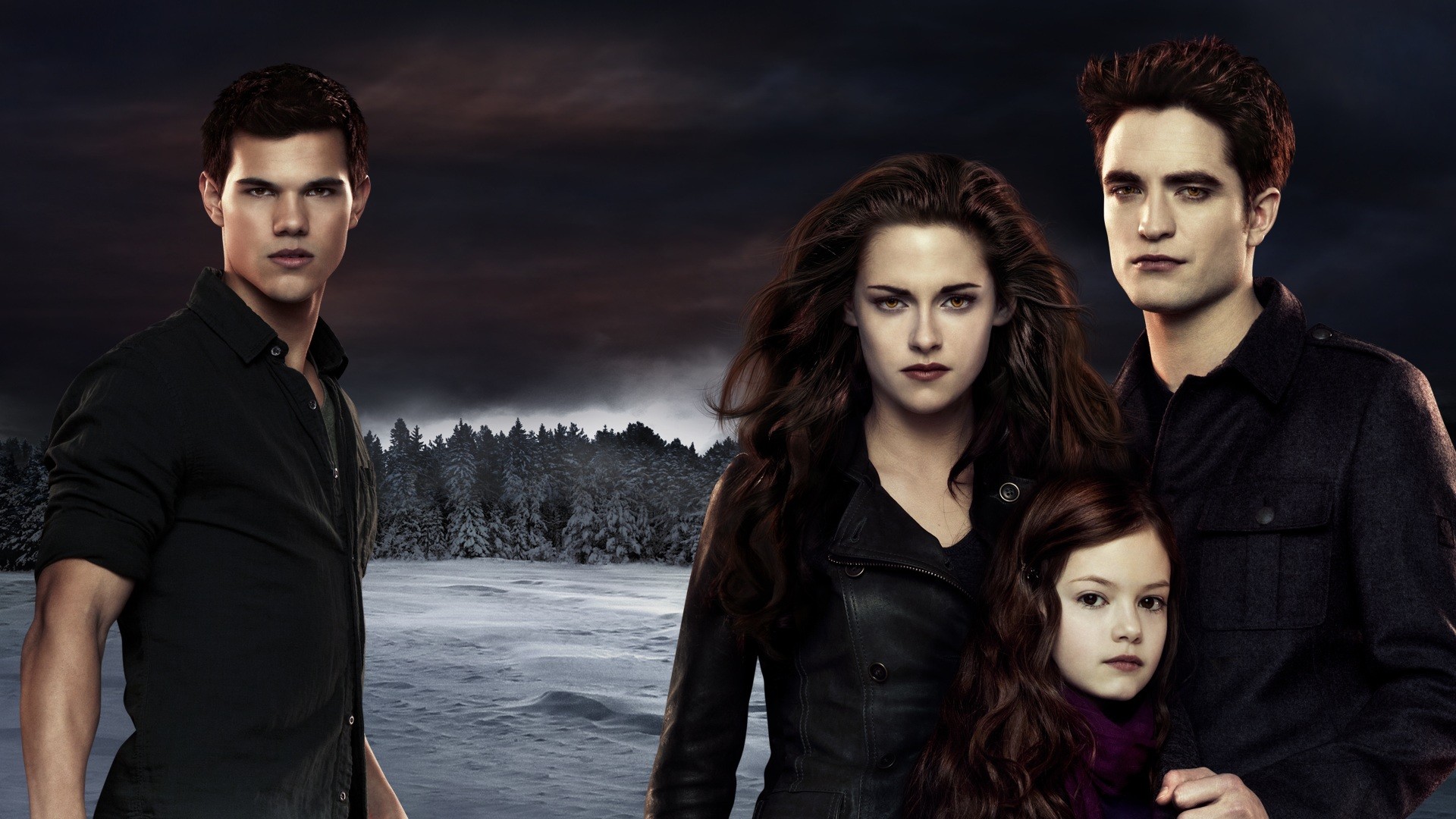
In conclusion, “Breaking Dawn – Part 2” serves as a compelling case study in the art of adaptation. While the film successfully captures the essence of Stephenie Meyer’s concluding saga with its impressive visuals and engaging performances, it inevitably diverges from the book in significant ways. The alterations in plot, character development, and thematic exploration illustrate the complexities involved in translating a written narrative into a visual medium. Fans of the series may find value in both formats, recognizing that each offers a unique experience. Ultimately, the discussion surrounding the differences between the book and film enriches the appreciation of storytelling in all its forms, inviting readers and viewers to engage with the material on multiple levels.