The construction industry is undergoing a significant transformation, with women increasingly stepping into roles that were once dominated by men. For many, being a woman in construction is not just about defying stereotypes; it’s about embracing a challenging yet rewarding career that shapes the future of an entire industry.. In the third installment of CNBC Make It’s “Women at Work” series, we talk with women in construction, an industry that’s set to grow 12 percent before 2026.

Simplifying Construction Safety Through Technology Quickbase
Understanding Construction Projects Types and Features
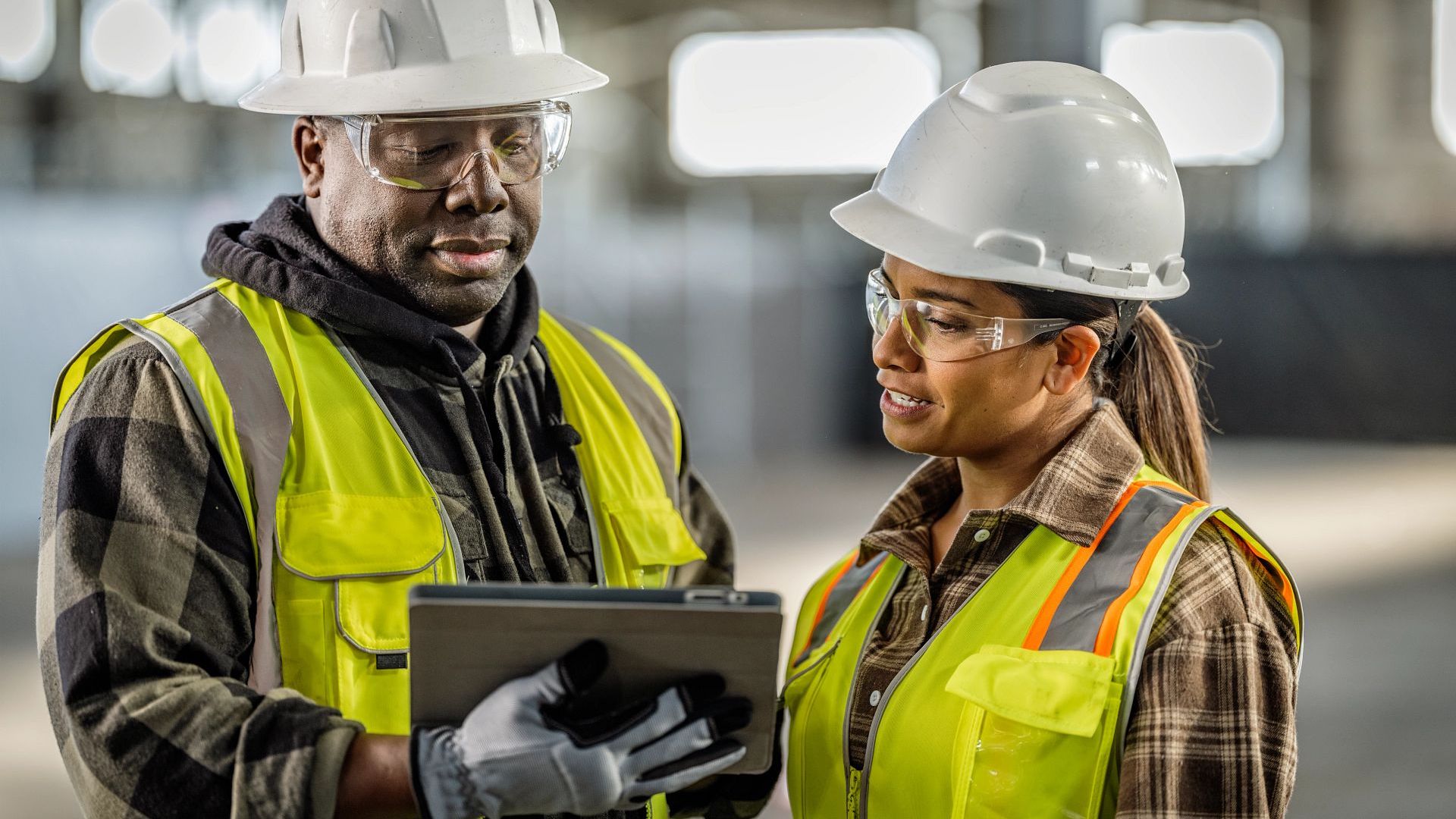
Construction Project Management The Basics ePoll

What is the difference between infrastructure and construction?
Construction Hurd Construction Management
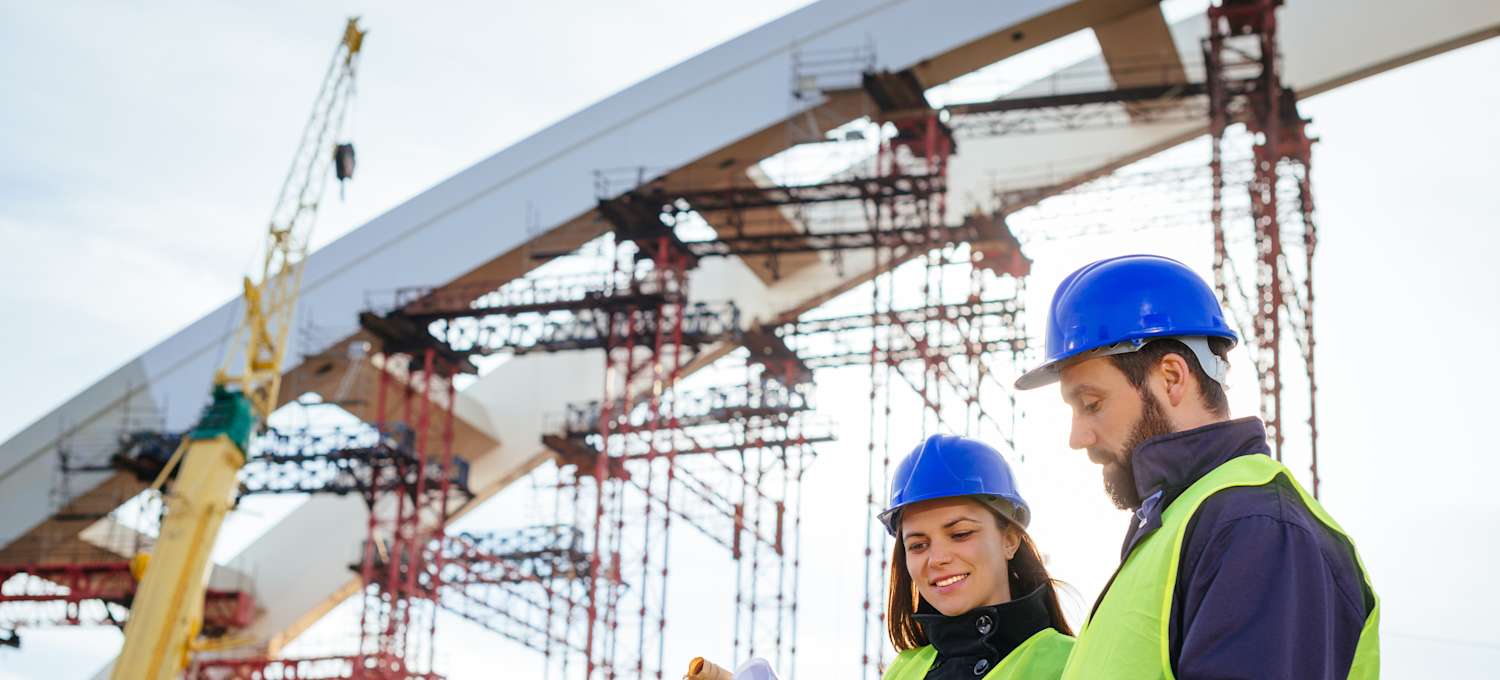
What Is Construction Management? Coursera

Digitization Will Raise Construction to the Modern Day IE Insights

Construction Company Elk Ridge Construction Lincoln, NE

Free photo Architecture, Construction, Build Free Image on Pixabay

Top 10 Best Construction Materials Companies In USA In 2023 Inventiva
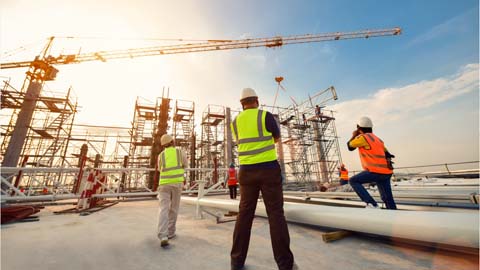
Browse careers by cluster at My Next Move
What Do Construction Company Actually Do?
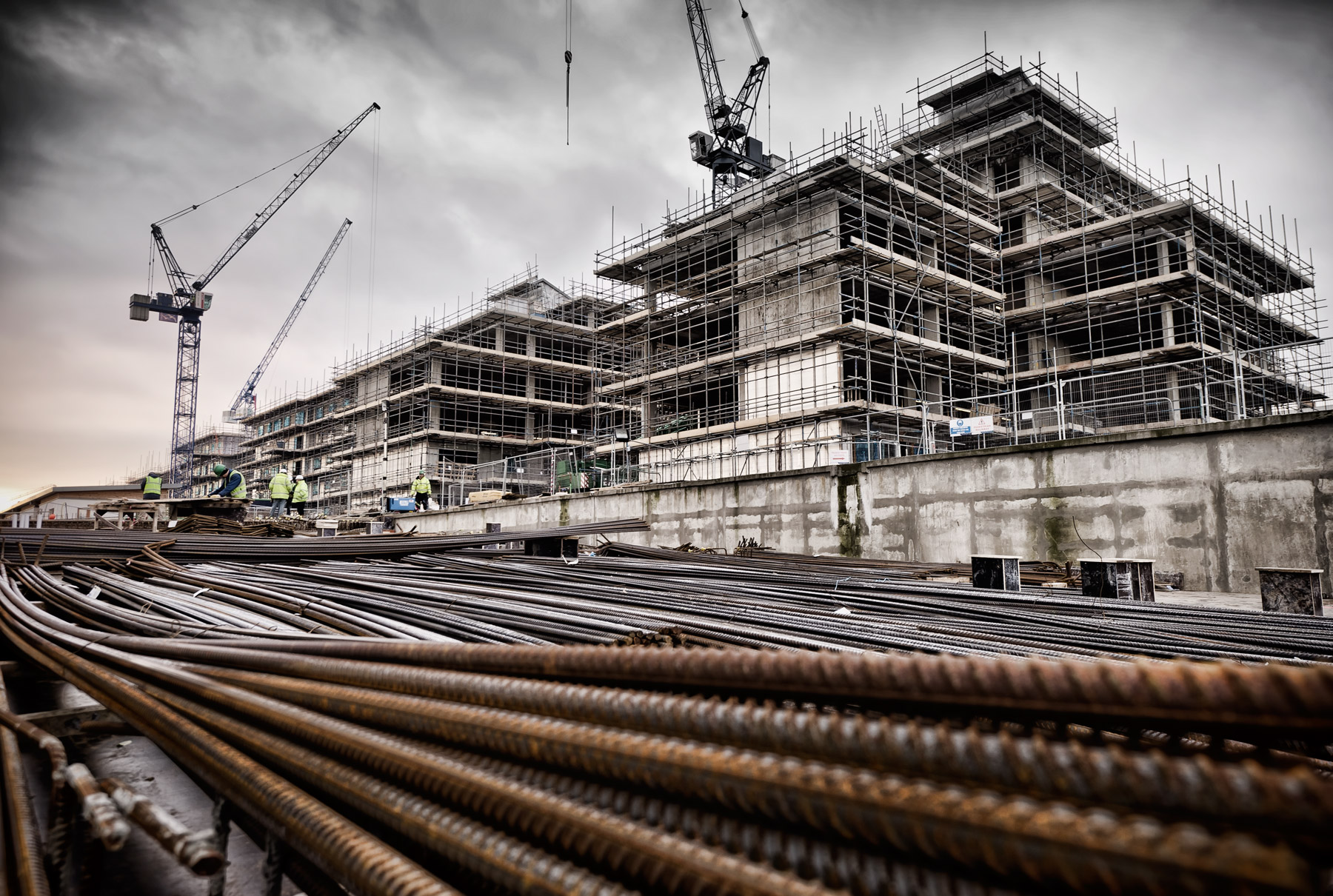
Michael Molloy Construction photography portfolio

3D Building Models for Engineers & Architects
Construction

Construction Worker
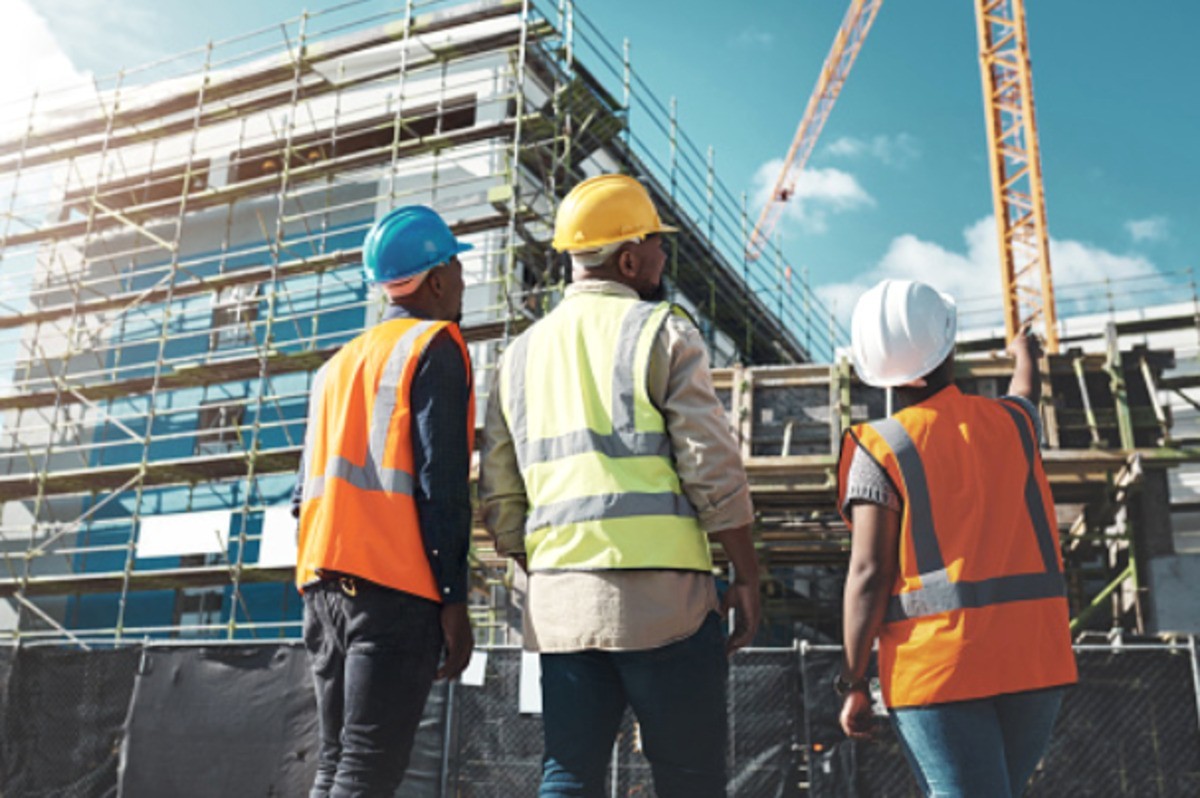
Our industries Construction Industry
construction, Work, Building, Job, Profession, Architecture, Design
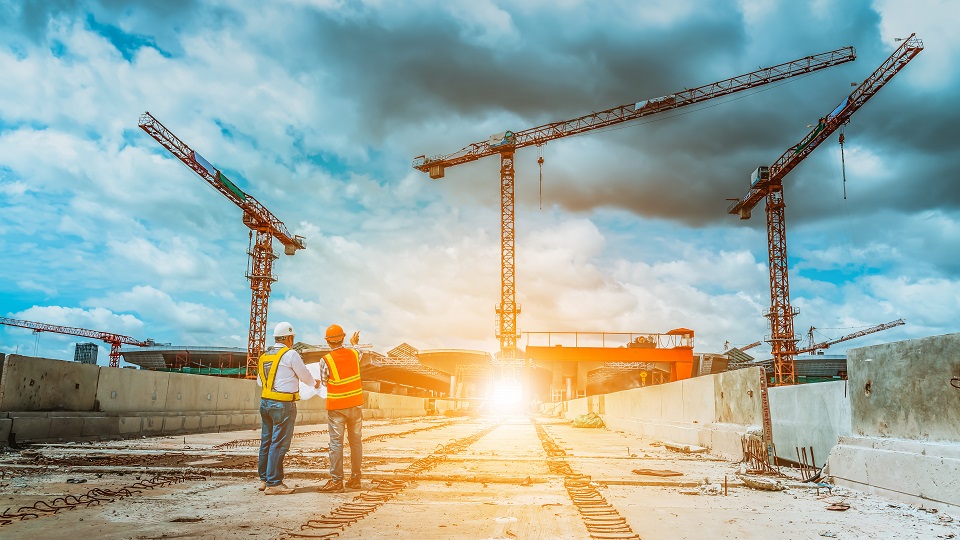
ready to support the construction roadmap to recovery News and events
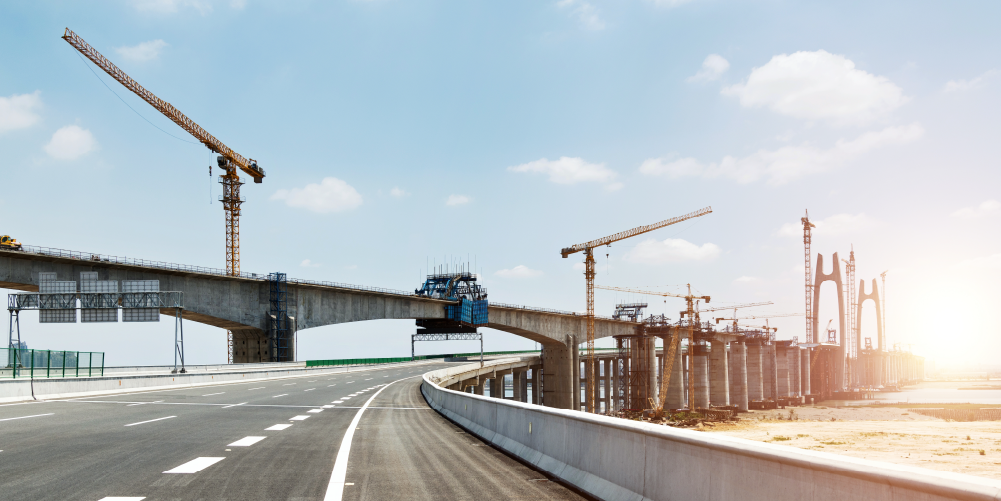
Tendering 101 Types of Tender in Construction Procore CA
NCCER is committed to supporting women in construction through training, collaboration and ongoing research to understand the challenges they face and uncover the opportunities that exist to better attract, retain, and advance women in the construction industry. What we’ve learned – by listening to their stories, asking them to share their experiences, and conducting in depth studies.. The number of women working in construction is among the highest in recent years due to several factors. In 2016, the unemployment rate in this industry was at its lowest, forcing recruiters and hiring managers to go outside their regular talent pools to find workers. Then, during the COVID-19 pandemic, more women started working in construction. Lack of workers and investment in construction.